
Chapter I · Origins
Every championship-winning Jaguar of the late 1980s traces back to an unlikely place: an American IMSA paddock, and a car built around a road-car engine.
By the early 1980s Jaguar's competition department had been reduced to engine supply. The marque's last works prototype had run at Le Mans in the 1950s, and the company that once ruled La Sarthe watched Porsche redefine endurance racing. Inside Jaguar there were men with a plan — Mike Dale among them — and outside, Bob Tullius's Group 44 team was Jaguar's most credible racing ambassador.
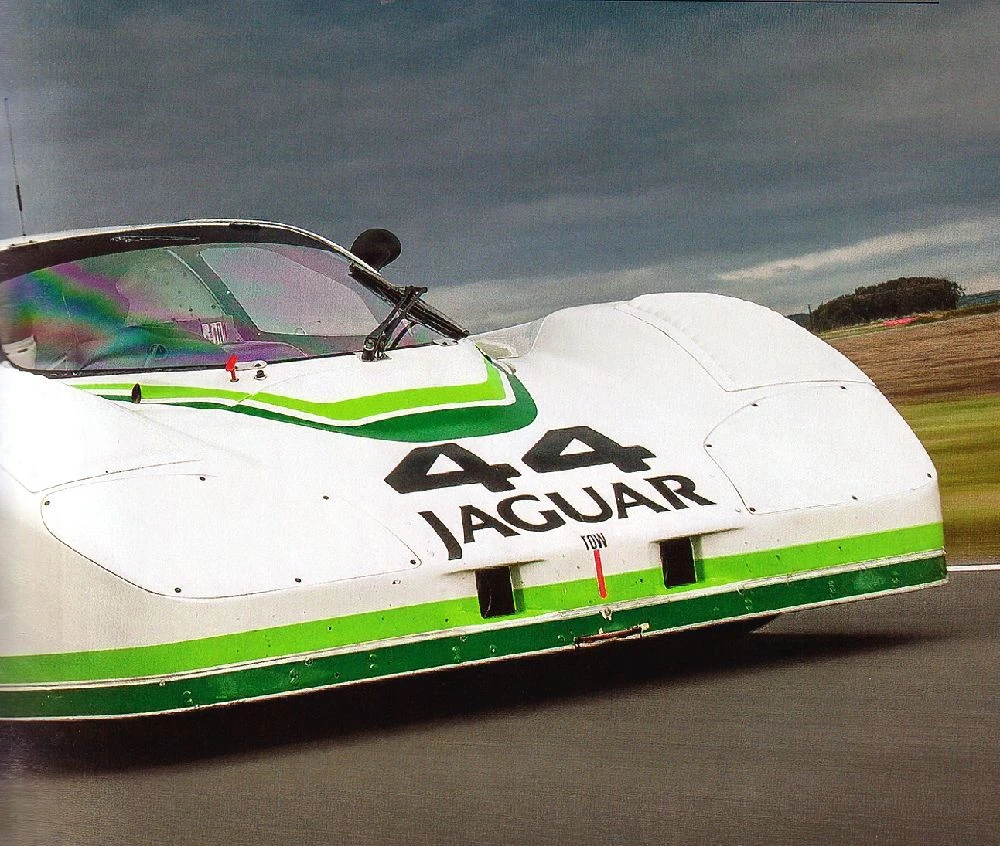
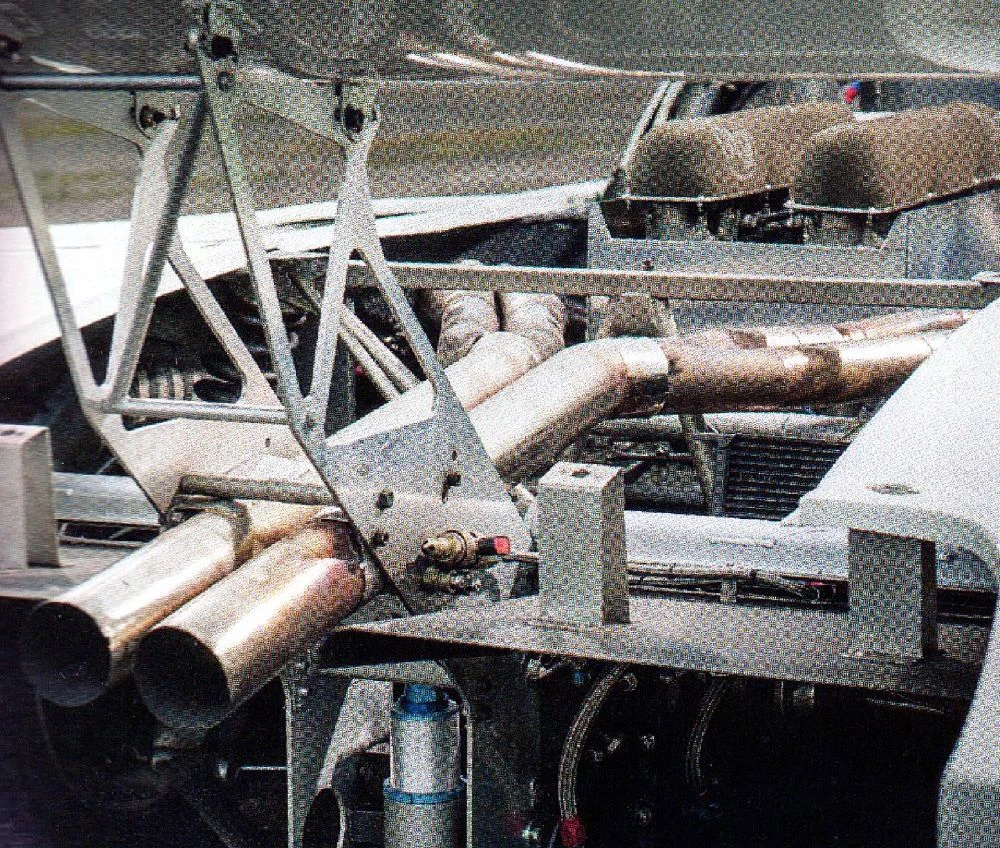
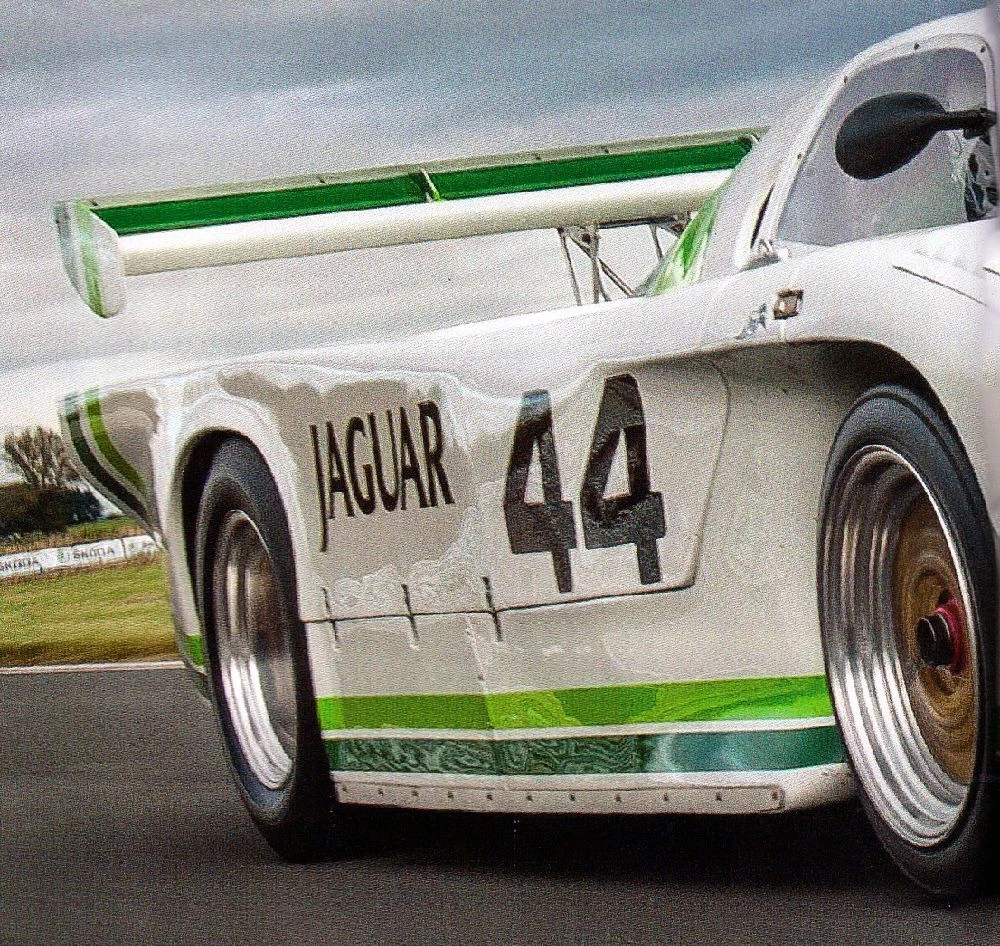
The car they commissioned with designer Lee Dykstra was the XJR-5: an aluminium-honeycomb tub with the V12 as a fully stressed member, designed around ground effect for the new IMSA GTP and Group C formulas. Jaguar's first pure prototype in a generation — and the car that would carry the first works-supported Jaguar entry at Le Mans since 1956.
 |  |
The results came steadily: an outright win at Road Atlanta, a dominating 1–2 in Miami, wins at Lime Rock, Mosport and Pocono — and regular podiums against IMSA-eligible Porsche 962s. Redman was blunt about the deficit — the naturally-aspirated road-car engine "was never going to be an equal fight" — but the XJR-5 kept Jaguar's name at the sharp end.
Le Mans 1984 made the point in front of the world. Group 44 ran a full 24-hour test at Pocono — attended by Jaguar's Jim Randle — then shipped two cars to France. Qualifying fourteenth, some eighteen seconds off the Lancia pole time, the #44 ran faultlessly, led a lap during pit stops, and came home third.
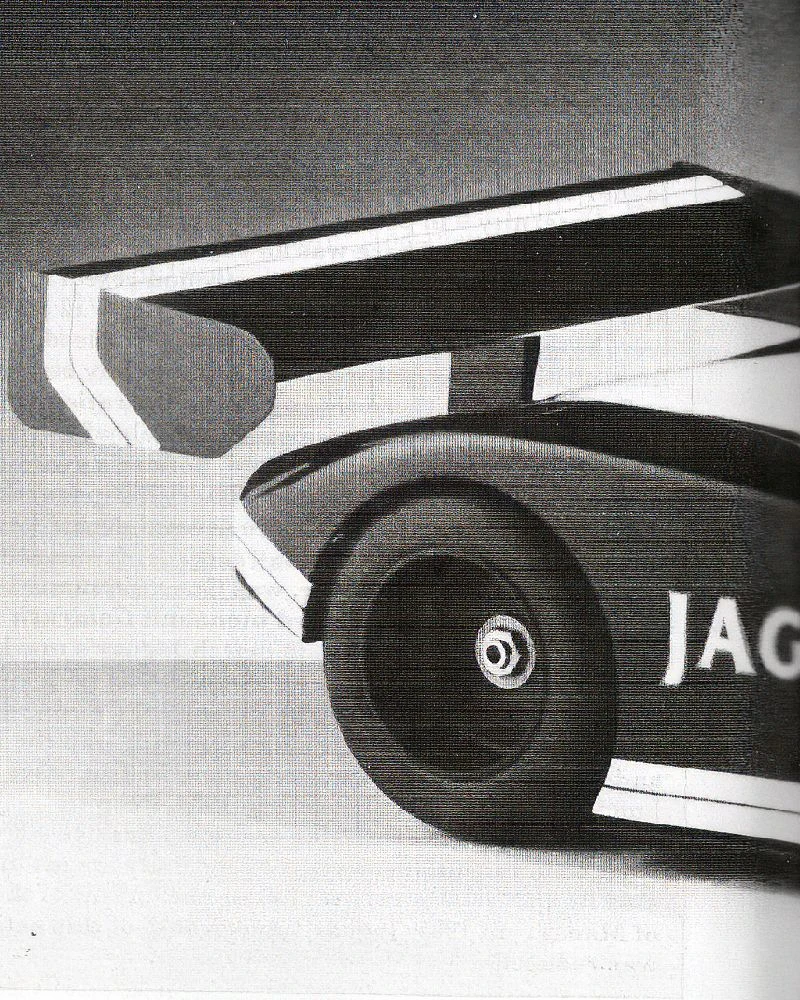
In 1985 Tullius and Chip Robinson brought the only Group 44 finisher home thirteenth overall — first in the GTP class. By then the baton was already crossing the Atlantic. Without the XJR-5, there is no XJR-6 title-winner, no XJR-8 — and no Le Mans-winning XJR-9.
Next instalment: Southgate's Silhouette — building the XJR-6