
tera V12 Learnings · Part 2
While we develop our tera quad-cam V12 here in Royal Leamington Spa, close to Coventry, I've been harvesting the bits every enthusiast deserves to know. Today's topic: why chamber shape is really the art of herding gas.
While we develop our tera quad-cam V12 here in Royal Leamington Spa, close to Coventry, I've been harvesting the bits every enthusiast deserves to know. Part 2: why chamber shape is really the art of herding gas.
💡 The Art of Herding Gas: Why Combustion Chamber Shape Matters
While we develop our new V12 engine right here in Royal Leamington Spa, I’ve been digging into the design secrets every car fan should know. Today’s topic? Why the shape of the space inside the engine—the combustion chamber—is a massive balancing act.
A good chamber has a tough job. It needs to let fresh fuel and air in, spark it perfectly, burn it cleanly, leave room for the valves to breathe, and stay tight enough to keep power high. Doing all of that at once involves a lot of compromise.
➡️ The Evolution of the "Room"
• The Early Days (Side Valves): The earliest engines were basic. Everything sat in a row, meaning the spark's flame had a long walk to burn all the fuel. By the 1930s, designers realized the fuel mixture needed to move. They squeezed the edge of the chamber to shoot the gas sideways across the piston—a trick called "squish". While compact, these old side-valve engines eventually died out because they couldn't breathe well enough for high compression.
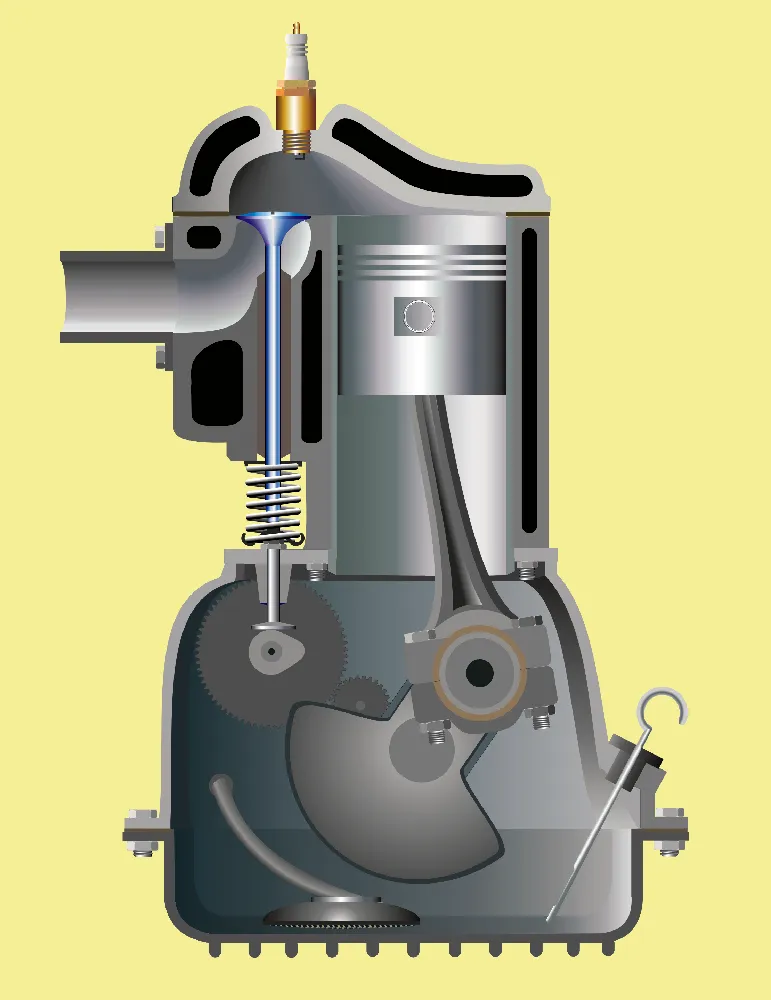
• The Awkward Middle Steps: Designers tried placing some valves overhead and others on the side, like in the classic Rover P3 engine. When everything finally moved overhead, new issues popped up. The fuel began swirling like a whirlpool, flinging gas droplets onto the cool cylinder walls where they couldn't burn cleanly.
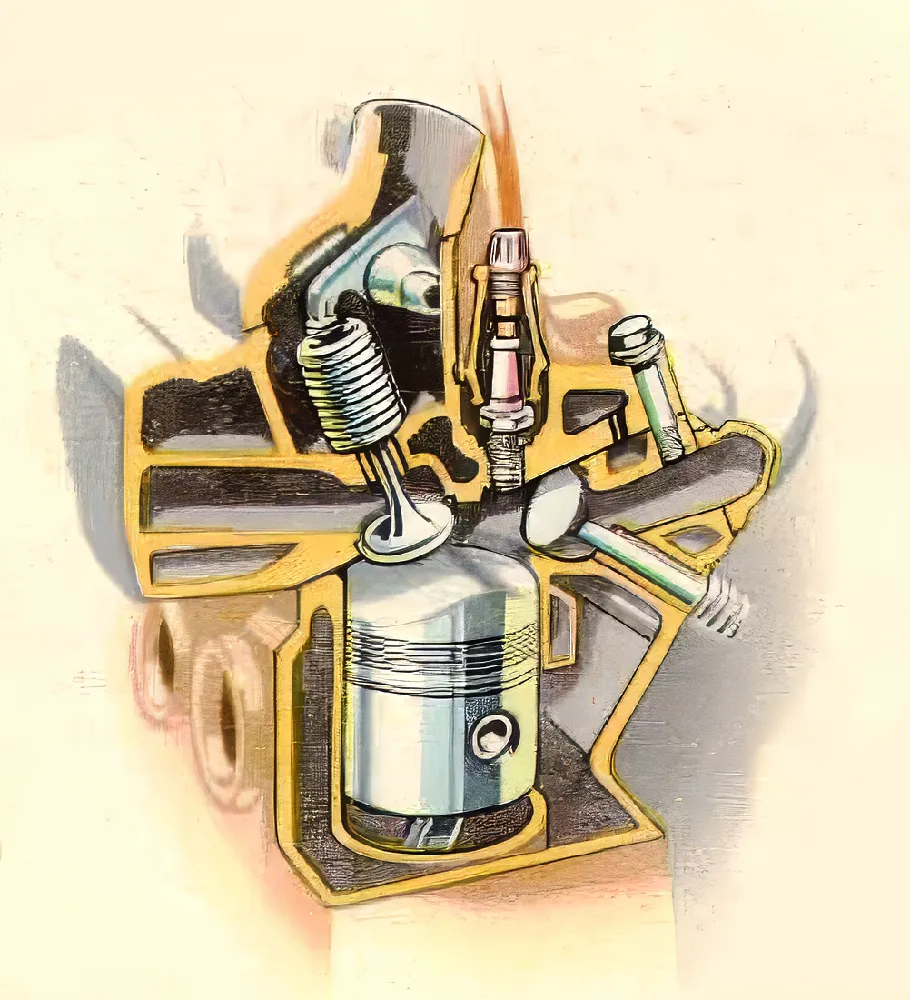
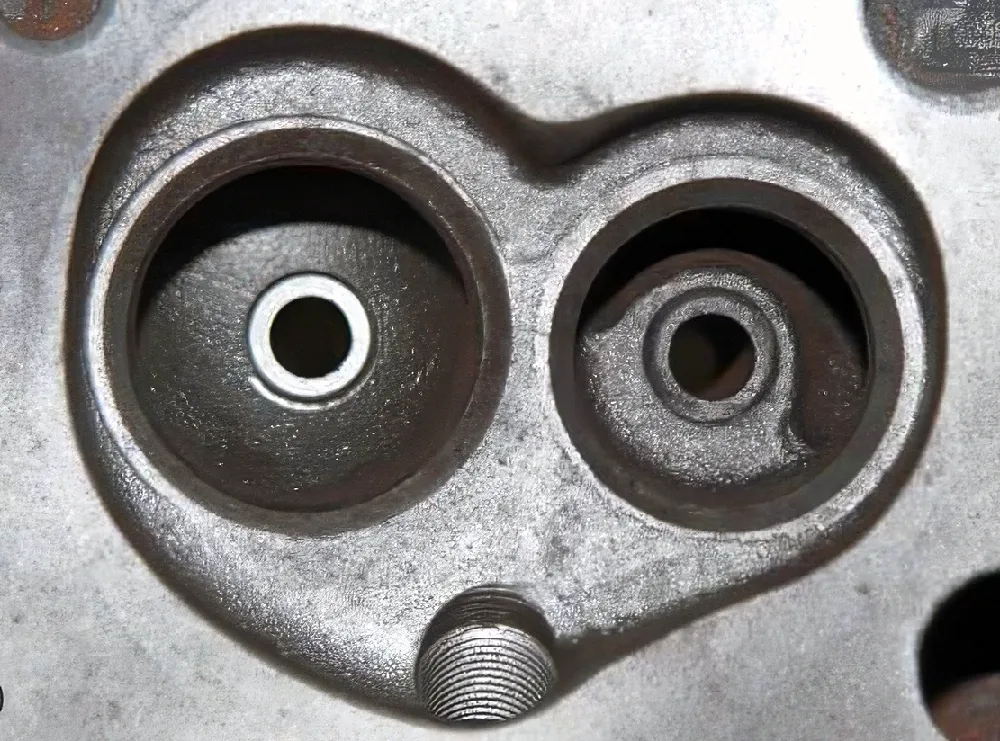
• Bathtubs and Hearts: Next came shapes resembling bathtubs and wedges. A standout favorite was the clever heart-shaped chamber designed by Harry Weslake for Austin/BMC. It used hidden angles to dance the fuel into a tight swirl right under the spark plug, making everyday cars incredibly efficient for decades.
• The Hemispherical Hype: For years, the "hemi" head (think classic Jaguar XK) was the king of high performance because it breathed so well. However, it was better at breathing than it was at burning. The fuel still swirled the wrong way, forcing designers to use awkward piston humps that actually killed off the air turbulence needed for a clean burn.
➡️ The In-Piston Experiment & The Fireball
In the 1960s and 70s, Rover and Jaguar tried shaving the engine head completely flat and putting the combustion chamber inside a bowl on top of the piston (called a Heron head). It was cheap and compact, but the fuel didn't burn perfectly.
Jaguar later fixed this with the "Fireball" chamber, which tucked the exhaust valve into a tiny pocket. As the piston came up, it whipped the fuel into a high-speed vortex that could burn incredibly lean mixtures.
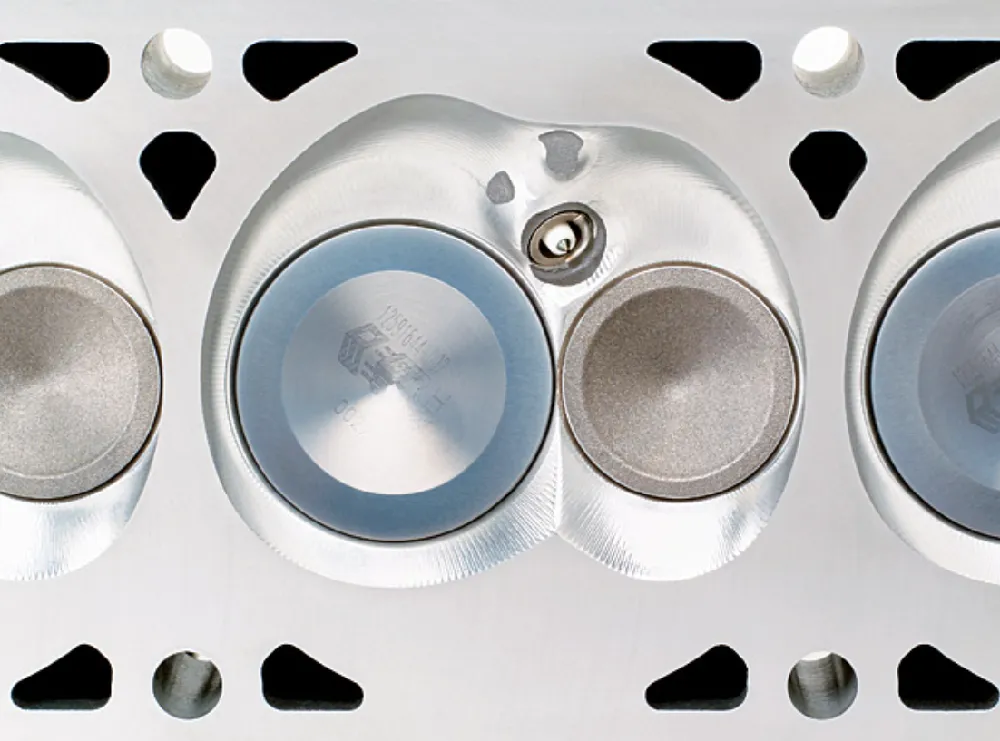
➡️ The Modern Winner: Four Valves and "Barrel Swirl"
Eventually, racing gave us the absolute layout default used across the world today: four valves per cylinder sitting at a narrow angle with a perfectly central spark plug.
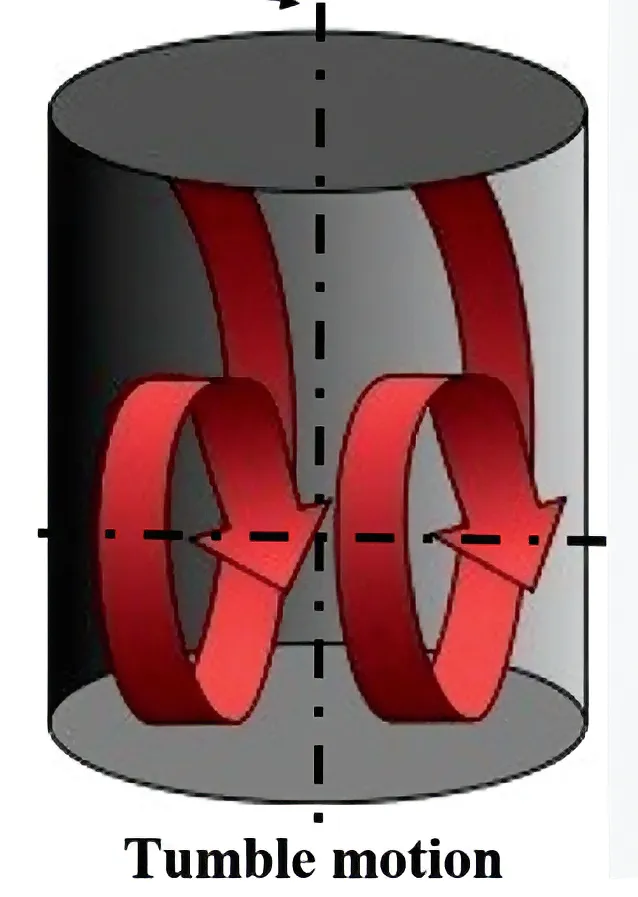
The secret magic here is barrel swirl (or tumble). Instead of spinning like a whirlpool, the fuel rolls end-over-end like a barrel. As the piston rises, this barrel shape collapses into a perfectly random chaos of tumbling air right as the plug fires. It keeps fuel away from the cold walls, burns incredibly fast, and allows for a nice, flat piston top.
➡️ What About 5 Valves or the Wankel Rotary?
• Five Valves: Yamaha tried using three inlet and two exhaust valves. It sounds high-tech, but it added tons of complexity for almost zero extra performance.
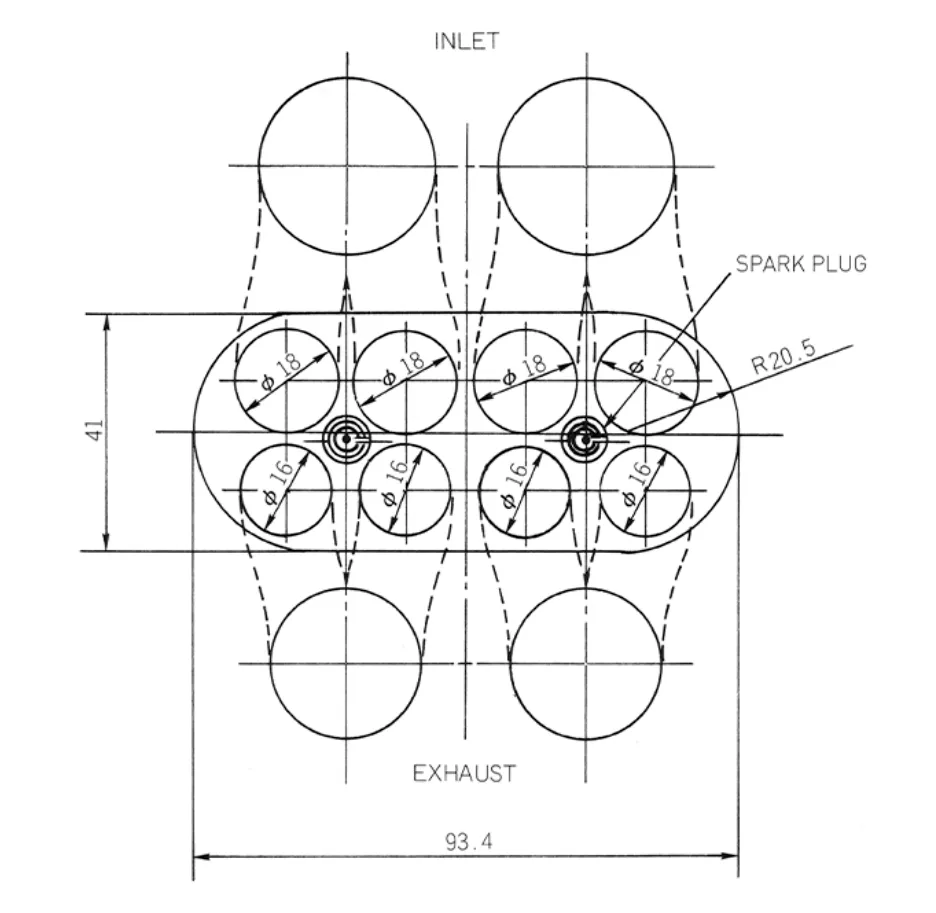
• The Honda NR500: Honda famously built a bizarre racing engine with oval pistons and eight valves per cylinder just to cheat a rulebook capping cylinder counts. It revved to a wild 20,000 rpm but never quite won.
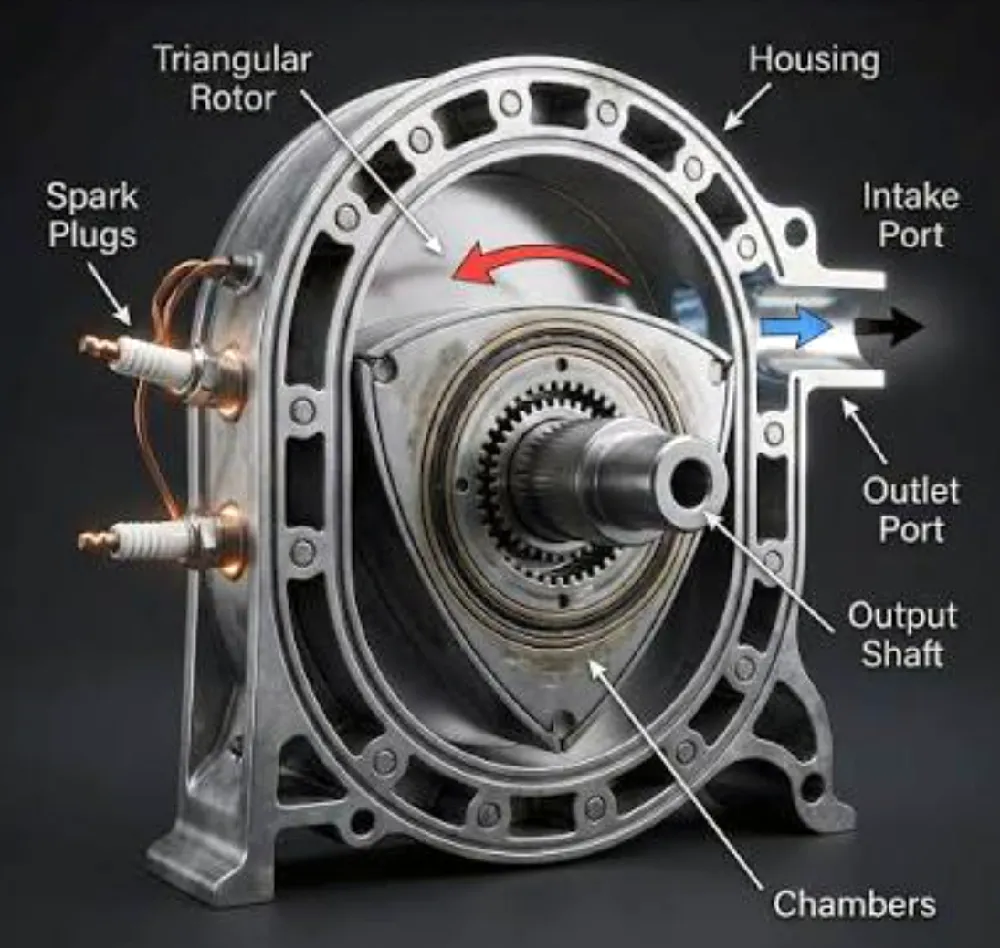
• The Wankel Rotary: The famous spinning triangle engine was wonderfully smooth, but its long, stretched-out chamber was a nightmare for combustion. Fuel hid in the cold corners and escaped unburned. It briefly looked like a winner in the 1970s because its bad burn meant lower emissions temperatures, but the 1973 oil crisis made fuel economy top priority, and most makers walked away.
🌟 What This Means for Our V12
Our project uses the lesson learned from decades of trial and error. We get excellent barrel swirl, great squish, and we are keeping the intake ports just large enough to keep the gas moving quickly.
Every great engine is an argument between physics and space. The best ones are simply the most elegant compromises.
Next time, we’ll track where the fuel goes next!
Until next time,
Until next time,
Neville